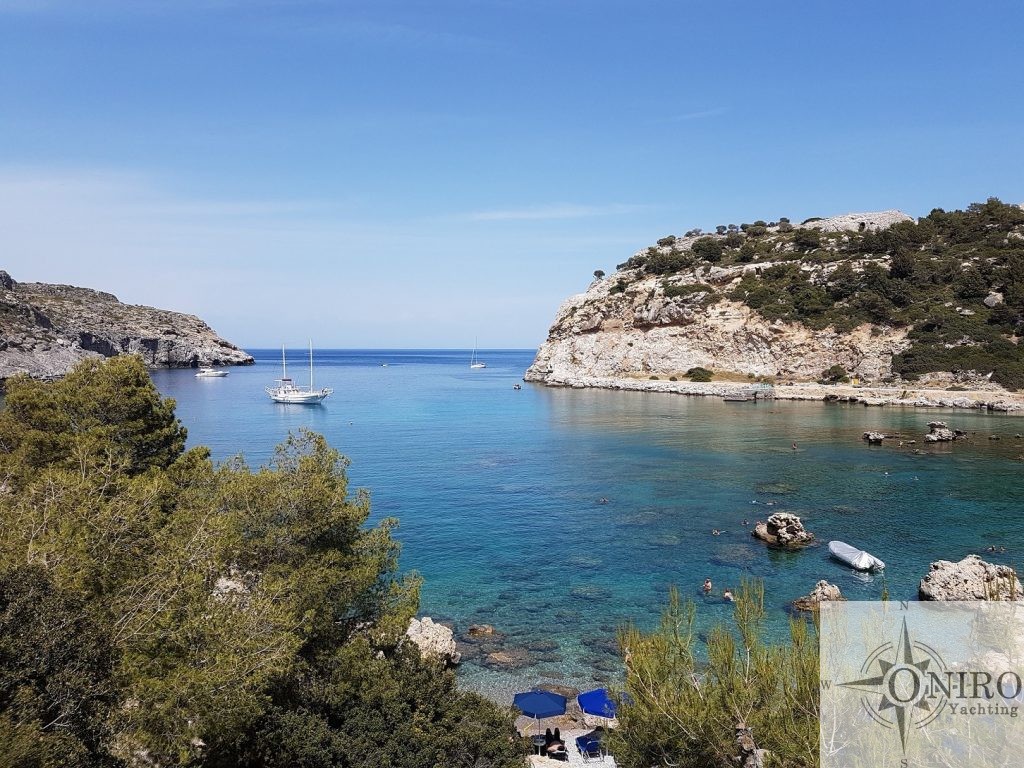


When the gods in ancient Greek mythology were dividing up the world, Apollo was late to the meeting. So Zeus told him that the first island to emerge from the bottom of the sea would be his. The very next day, a beautiful island rose up from the sea: Rhodes.
To honour the god Helios, the Rhodians built one of the Seven Wonders of the Ancient World, the Colossus of Rhodes, which was more than 30 metres tall.
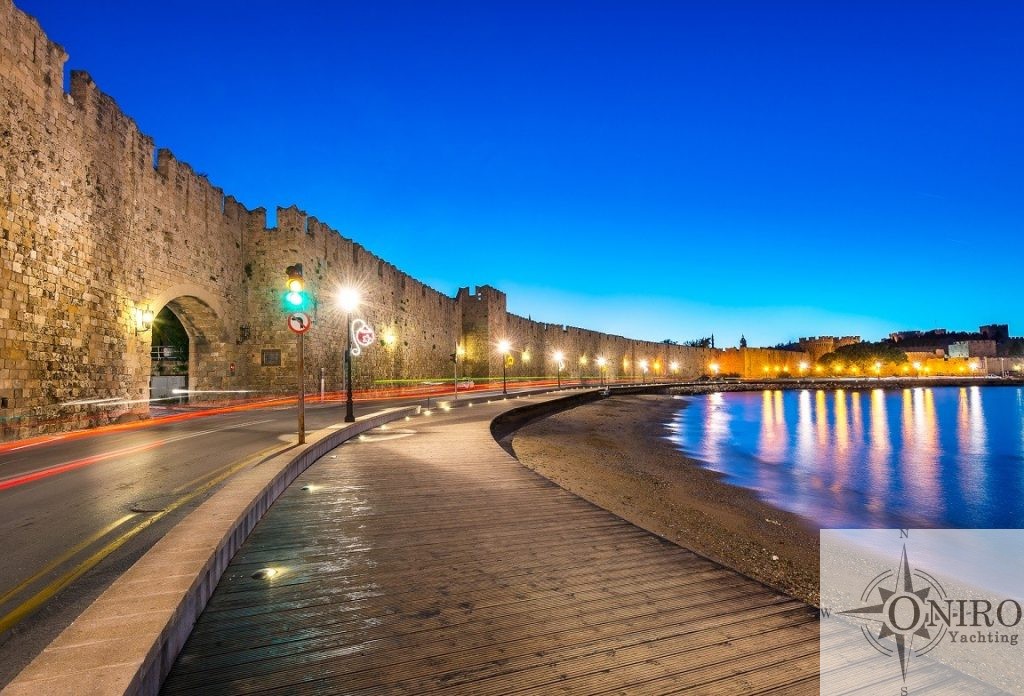
The island’s geographical position is the reason it often changed hands. It has passed under the control of the Knights of the Order of St John, the Ottomans and the Italians, whose legacy includes the old town of Rhodes. The medieval town of Rhodes with the palace of the Grand Master is a UNESCO World Heritage Site.
The Order of St John of Jerusalem occupied Rhodes from 1309 to 1523 and turned the city into a stronghold. That is why Rhodes is known as the island of the Knights. Later, the island came under Turkish and Italian occupation. With the Palace of the Grand Master, the Great Hospital and the Street of the Knights, the Upper Town is one of the most beautifully preserved urban centres of the medieval period. In the Lower Town, medieval European architecture coexists with mosques, public baths and other buildings from the Ottoman period.
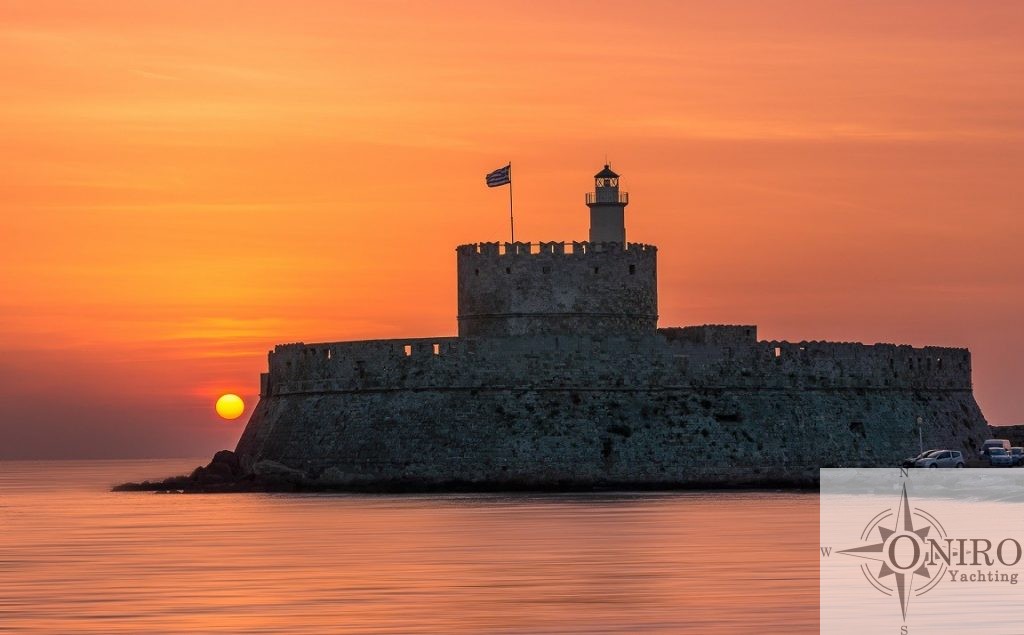
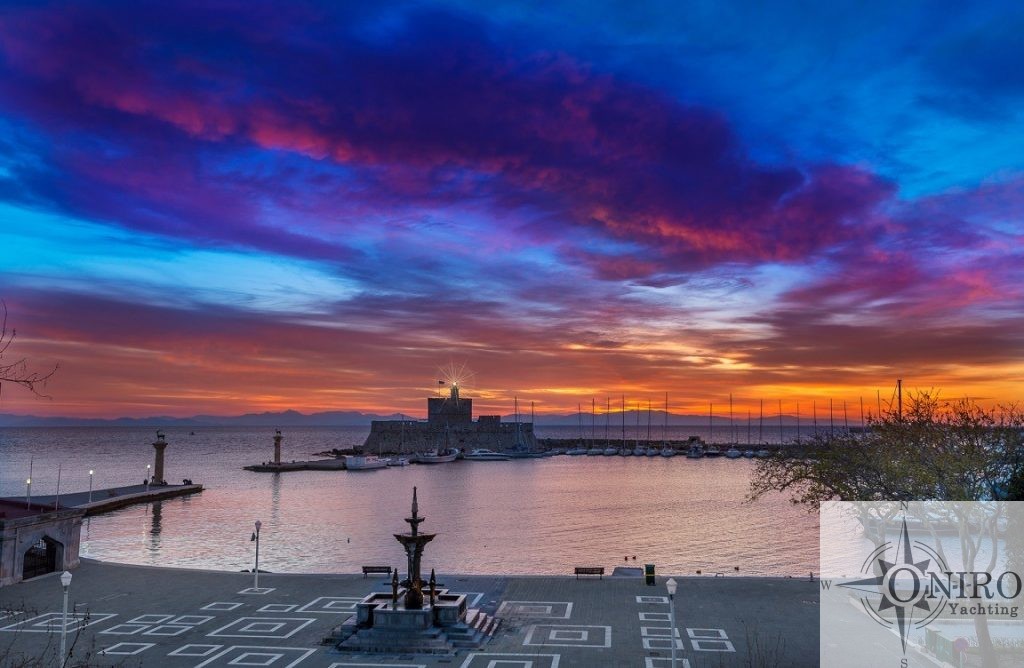
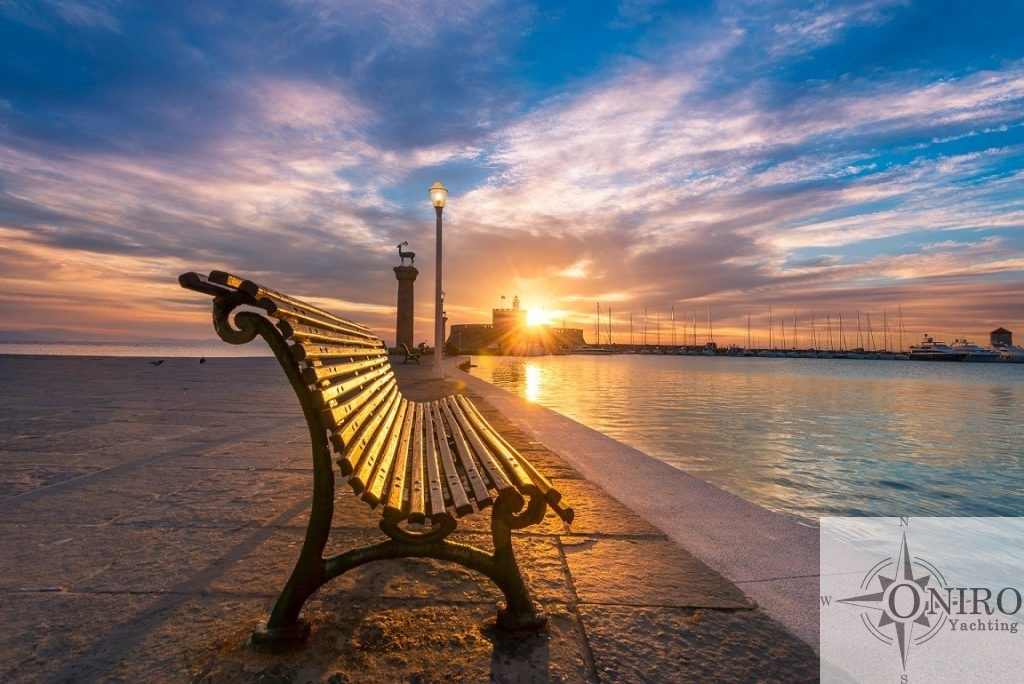
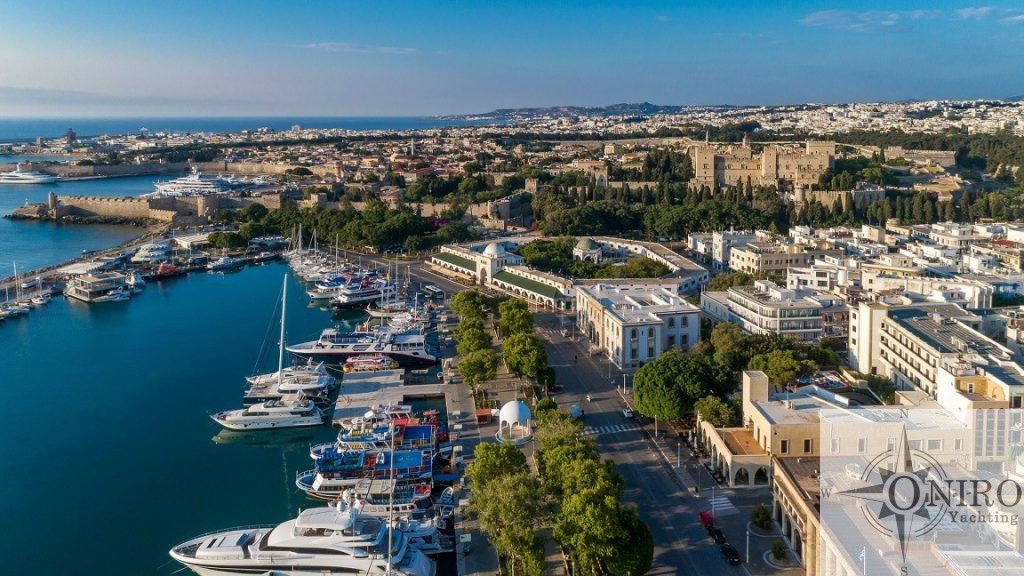
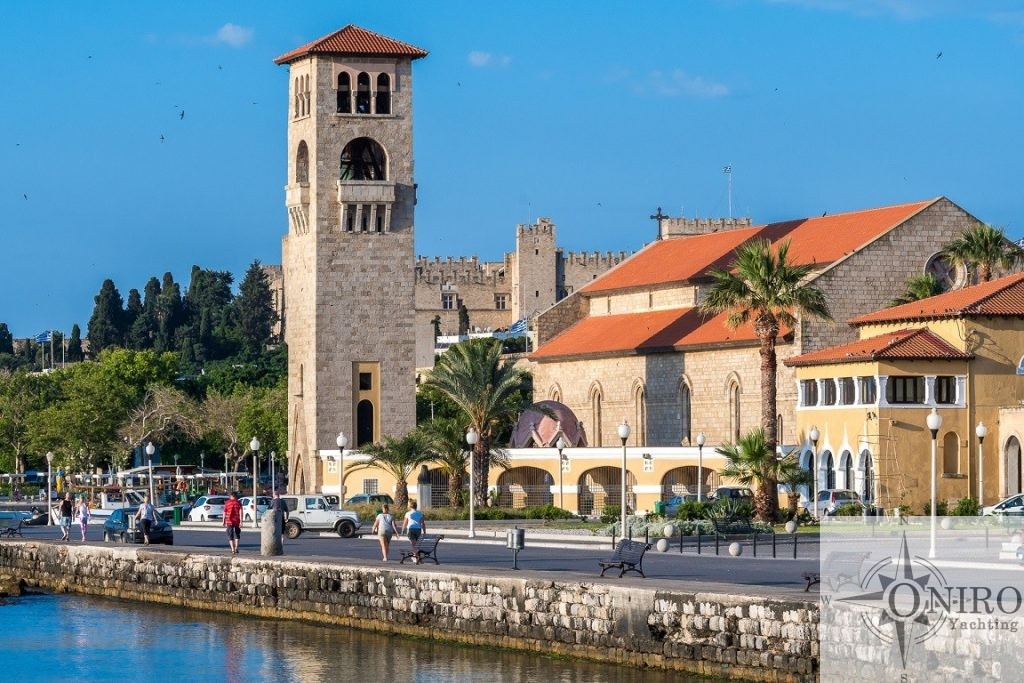
In the modern era, particularly from 1912 to 1945, the Italians restored the medieval city and the Palace of the Grand Master, and rebuilt the new city, which encircles the old town with impressive buildings set along the road in the port at Mandraki.
Lindos, Kamiros, and Ialysos were the three major ancient city-states on the island of Rhodes.
Lindos is a traditional community with a rich maritime history. At the town of Lindos, one can see the traditional houses as well as the captain houses of the local seamen and the Lindos acropolis, which pre-dates the Athens Acropolis.
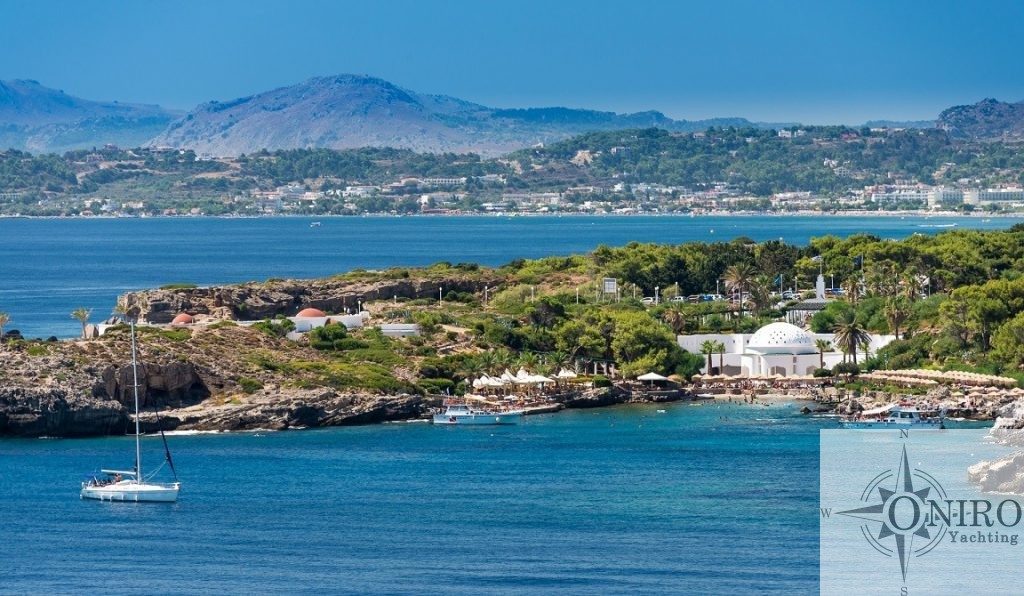
Other noteworthy sights include the Valley of the Butterflies, Seven Springs, the Kallithea Springs, Filerimos, the castle at Kritinia and at Monolithos, Prasonisi and Mount Profitis Ilias.